How the landmark Free Trade Agreement boosts exports, simplifies cross-border remittances, and reshapes export-related payments
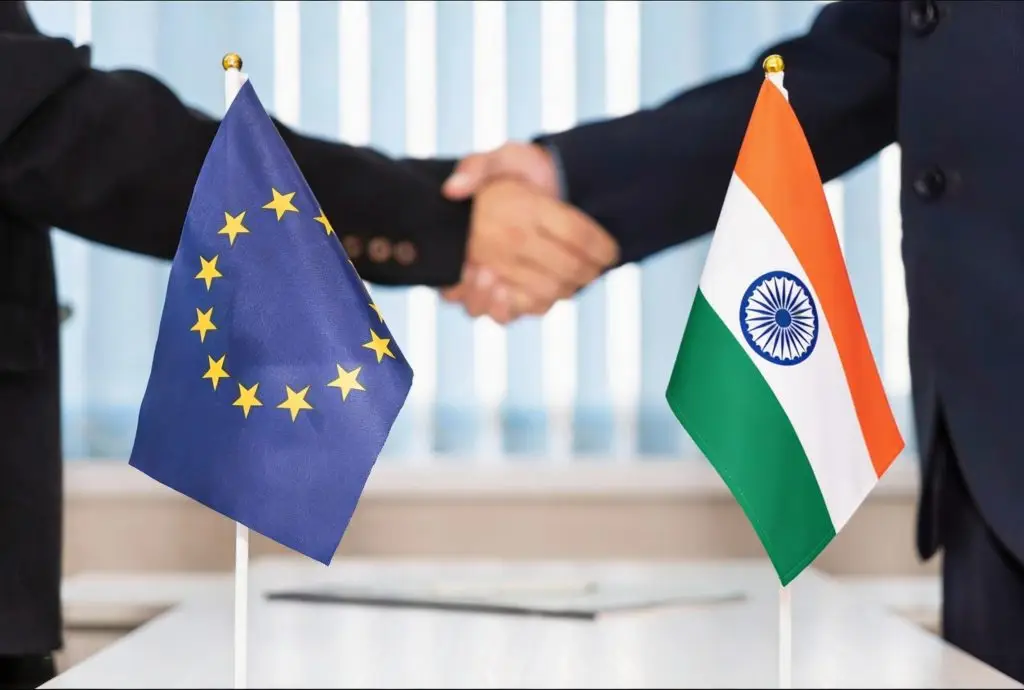
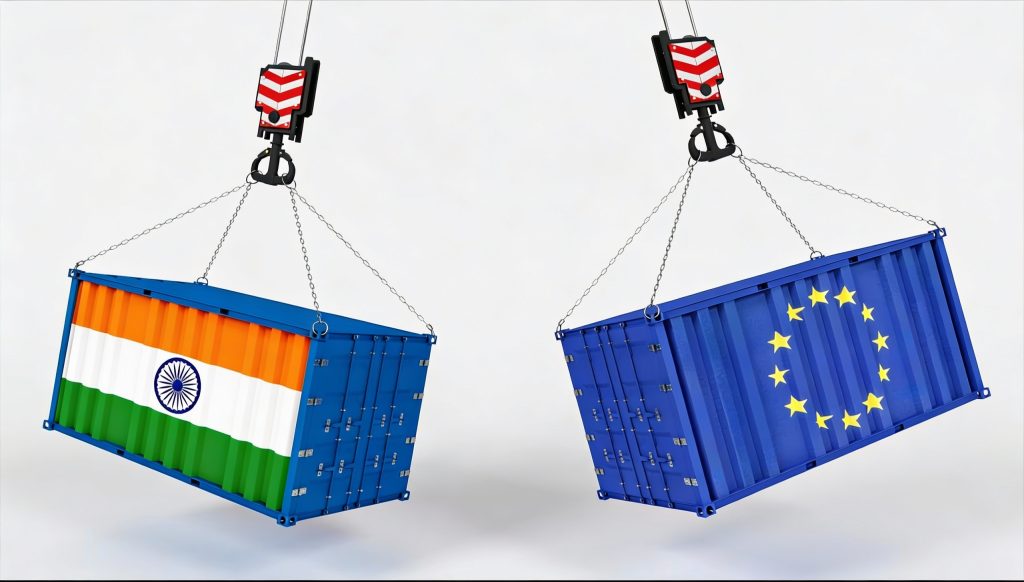
In January 2026, India and the European Union (EU) finally concluded a Free Trade Agreement (FTA) after nearly two decades of negotiations — a pact widely dubbed the “mother of all trade deals”. This landmark deal is set to transform India’s exports, especially to one of the world’s largest and most affluent markets, with massive implications for cross-border payments, export financing, and global trade flows.
What the India–EU Trade Deal Covers
The India–EU FTA aims to liberalise trade between India and the 27-member EU bloc — a market of almost 2 billion consumers — by reducing or eliminating tariffs on most traded goods and services. Under the agreement:
- ~97 % of tariff lines and ~99 % of trade value will benefit from reduced duties.
- EU will eliminate tariffs on about 70 % of tariff lines immediately and phase out most others over time.
- India has also offered duty reductions on a large share of its import lines, although sensitive items remain protected.
This means products shipped from India to the EU — whether garments, leather, chemicals, or marine products — will face significantly lower barrier costs, making Indian exports more competitive.
Top Export Sectors Set to Gain
Here’s a breakdown of key Indian export industries that stand to benefit most from the FTA:
1. Textiles & Apparel
One of India’s largest export segments will enjoy zero tariffs across most EU markets, immediately cutting costs for buyers and boosting Indian competitiveness against countries like Bangladesh and Vietnam.
2. Leather, Footwear & Accessories
Tariff elimination enhances price competitiveness for products from traditional clusters — potentially increasing market share in Europe.
3. Gems & Jewellery
The deal could double gems and jewellery trade, with duties almost eliminated, offering a strong tailwind for exporters from hubs like Gujarat and Rajasthan.
4. Marine & Food Products
Seafood, tea, coffee, spices, and processed foods will benefit from preferential access and lower duties, opening possibilities for emerging exporters.
5. Chemicals, Plastics & Base Metals
Tariffs on chemicals and industrial inputs are drastically reduced, giving Indian manufacturers better access to EU industrial buyers.
What This Means for Export Payments & Cross-Border Remittances
For exporters using HiWiPay or similar remittance services, the FTA isn’t just about lower tariffs — it also reshapes how payments flow and how export earnings are realised:
💶 Improved Export Flows & Payments
- With reduced duties and increased export volumes, foreign exchange inflows from EU buyers are likely to rise, increasing demand for efficient cross-border payment solutions.
- Exporters can benefit from faster remittances, better FX rates, and streamlined settlement processes, especially when dealing with EU buyers and suppliers.
💸 Reduced Currency Risk
- Predictable tariffs and stable trade terms with the EU reduce uncertainties in pricing, helping exporters lock in better forward contracts, hedges, and repatriations.
- This stability is crucial when planning payment terms (like LC, CAD, advance payment) in export contracts into the EU region.
📈 Export Finance becomes More Predictable
- Lower tariffs and easier market access reduce the cost of export finance.
- Banks and fintech remittance platforms (like HiWiPay) can offer competitive FX solutions, real-time tracking, and faster payout cycles to support export growth.
Key Considerations for Indian Exporters
📊 Understand Tariff Phasing
Not all benefits are immediate — some tariff reductions are phased over 5-10 years. Export planners must strategise around short-term and long-term duty schedules to optimise pricing and profit margins.
🪙 Non-Tariff Barriers
While tariffs fall, non-tariff measures like EU standards, quality certifications, and compliance norms still impact market entry costs and timelines.
🌍 GSP Transition Period
Before FTA benefits come into force, exporters are navigating a transitional phase where the EU’s Generalized System of Preferences (GSP) benefits were temporarily suspended for many products, raising tariffs and affecting competitiveness.
Being proactive about certification, compliance, and logistics now can ease this transition.
Broader Impact on India’s Trade Ecosystem
This agreement strengthens India’s position in global value chains and presents an opportunity to diversify export markets beyond North America and Asia. It also signals long-term confidence for European buyers in Indian exporters, potentially reducing financing costs and inspiring strategic partnerships in manufacturing, services, and technology.
Conclusion: A Growth Engine for Indian Exporters
The India-EU Free Trade Agreement is not merely about tariff cuts — it represents a structural shift in trade dynamics between India and the EU’s vast market. For Indian exporters — from textiles and apparel to chemicals and gems — this means lower costs, higher competitiveness, and greater access to premium European buyers.
As trade volumes grow, so does the need for reliable cross-border remittance and export payment solutions. Using platforms such as HiWiPay can enhance your export operations by providing faster payouts, reduced FX costs, and seamless international payment flows — key advantages in a highly competitive global market.
Ready to optimise your export payments to the EU?
Explore how HiWiPay’s cross-border remittance solutions can streamline your export receipts and enhance your global business strategy. 🚀